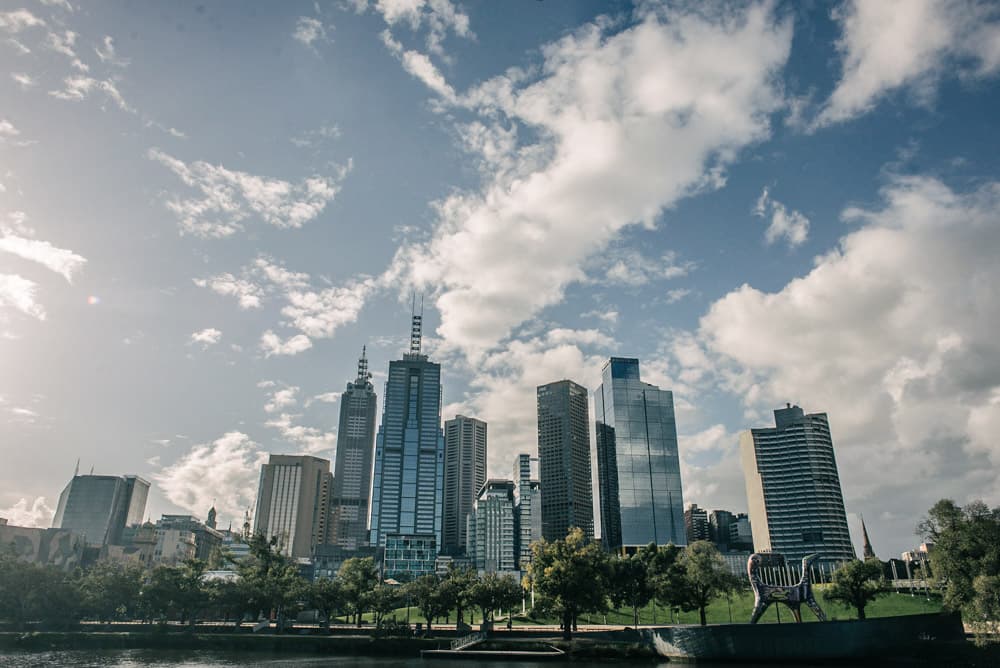
Melbourne CBD
Photography Walks Melbourne
Twelve spots through Melbourne's laneways, street art, and riverside, each one a different camera problem. It's the same route the photography course walks.
Photography Walks in Melbourne CBD
Melbourne's laneway network, street art, Victorian and Edwardian architecture, and constant shift between light and shadow make the CBD a place that rewards photographers at every skill level.
Within a few hundred metres of Flinders Street Station, the conditions shift from wide, sunlit boulevards to narrow, graffiti-covered laneways where the light drops by several stops. This constant variation in subject, light, and space is what makes Melbourne CBD such an effective place to learn photography by doing it.
You can walk it on your own with the notes below. The 3-hour photography course is the same route with Daniel beside you, checking your settings on your own camera as the scene changes.
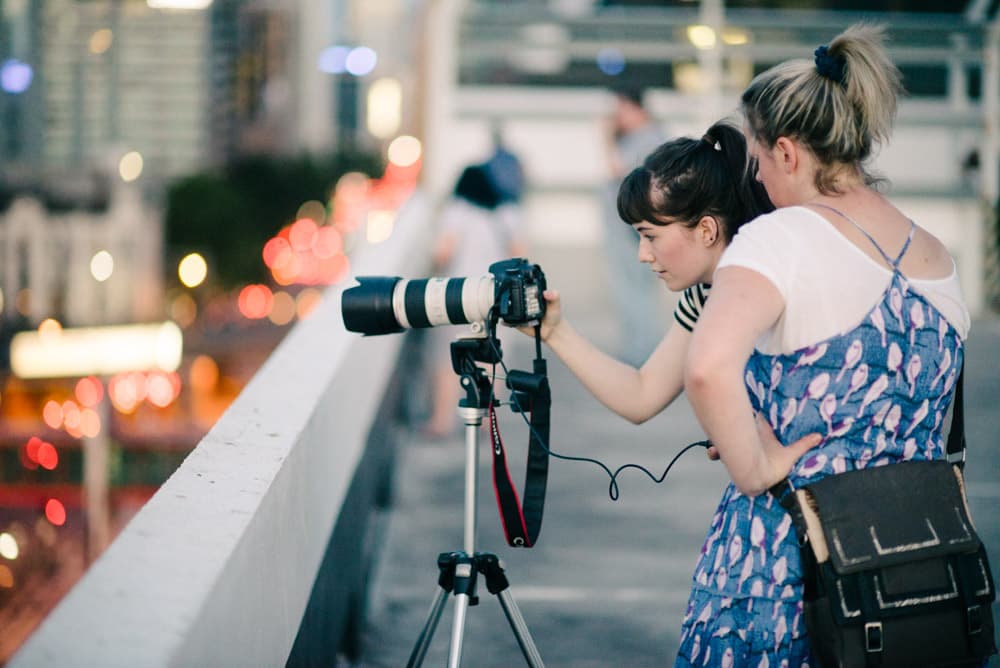
Melbourne Laneways Photography
Melbourne's laneway network is one of the most photographed urban environments in Australia. The laneways below are on the course route, each with different art, light, and composition opportunities.
Hosier Lane Street Art
Hosier Lane is the most famous street art laneway in Melbourne. The murals rotate constantly, so repeat visits always produce different images. The lane runs off Flinders Street, just east of Federation Square.
Look for the Aboriginal boy artwork. It's one of the most recognised pieces in the lane and a strong focal point for compositions that include both the art and the surrounding laneway context.
For large wall murals that fill an entire wall, shoot at 24mm. A wider focal length like 24mm captures the art in context with the laneway itself. This works with any lens that covers 24mm: a kit zoom set to 24mm, a 24mm prime, a 20mm, or similar. The light in Hosier Lane varies dramatically from the street entrance to the back wall, so expect to adjust exposure as you move through.
AC/DC Lane Photography
AC/DC Lane runs off Flinders Lane, near Pastuzzo restaurant. It's a narrow lane with street art, giant wall murals, and a rock-and-roll atmosphere from the band posters and gig flyers layered across the walls.
The lane is very Instagrammable, with strong colour and texture on both walls. The narrow width creates natural framing for portraits and environmental shots. For the large wall art pieces, 24mm gives you the full mural plus enough laneway context to show scale.
Light is limited in AC/DC Lane due to the narrow width and tall buildings either side. Midday provides the most overhead light, but the moody, shadowed look works well for the gritty aesthetic of the lane.
Drewery Lane Street Art
Drewery Lane and Drewery Place sit in the network of laneways between Flinders Lane and Collins Street. The highlight here is looking up: the Angel art installation overhead is the main draw and one of Melbourne's more distinctive laneway features.
Shooting upward in a narrow laneway means working with a wide lens and managing converging verticals. At 24mm or wider, you can get the Angel artwork and the buildings either side into a single frame. Tilting the camera straight up produces the least distortion.
Sniders Lane
Sniders Lane is another street art laneway with less foot traffic than Hosier Lane. The relative quiet makes it easier to set up shots and experiment with different angles without crowds moving through the frame.
The same 24mm focal length recommendation applies here for any full-wall murals. Sniders Lane is a good spot to slow down and try compositions that include the laneway floor, walls, and sky together.
Laneway Photography Tip
For any street art that covers an entire wall, shoot at 24mm. This focal length captures the art in context with the laneway, showing the scale and environment. Any lens that covers 24mm works: a kit zoom at its wide end, a 24mm prime, a 20mm prime, or similar. See Ron's session with the Sony A7CR for examples of laneway street art shot during a photography walk.
Melbourne Landscape and Cityscape Spots
Beyond the laneways, Melbourne CBD has several locations suited to landscape and cityscape photography. These spots are within walking distance of the laneway circuit.
Birrarung Marr
Birrarung Marr is a riverside park near the Arts Centre. Walk from the Arts Centre straight toward the river. There's a landing where you can step out slightly over the water, which gives you an unobstructed vantage point for river and city shots.
From this position, the Melbourne skyline reflects in the Yarra when the water is calm. It's a strong spot for wide-angle cityscape compositions, particularly around golden hour when the buildings catch warm light. A 24mm or wider lens works well here to get the full skyline in.
Princes Bridge
Princes Bridge connects Flinders Street Station to Southbank, crossing the Yarra River. The elevated position gives you a symmetrical city skyline photograph with the river running through the centre of the frame.
The bridge works for city photography at most times of day. Morning light hits the northern bank, and sunset lights up the western skyline. A wider focal length captures the full span of the cityscape. Trams cross the bridge regularly, which adds movement and a distinctly Melbourne element to longer exposures.
All Photography Spots on the Walk
The full list of locations on the route through Melbourne CBD. Each one sets a different camera problem. On your own, the notes are enough to work through it. On the course, Daniel checks your settings at each stop.
01. Hosier Lane
Exposure in mixed light
Melbourne's most famous street art laneway. The murals change constantly, so it never looks the same twice. It is an excellent location for practising exposure in mixed light, where bright spray paint sits against deep shadow. Great for street photography and portrait photography practice.
02. AC/DC Lane
Limited light
A rock-themed laneway off Flinders Lane, covered in graffiti, band posters, and gig flyers. The moody atmosphere and narrow width make it ideal for practising compression with longer focal lengths and working with limited available light.
03. Drewery Lane / Drewery Place
Vertical framing
A quieter laneway with art that rewards looking up. The Angel artwork overhead is the highlight. A good spot for practising vertical compositions and wide-angle framing.
04. Sniders Lane
Angles without crowds
Another street art laneway with less foot traffic than Hosier Lane. The relative quiet makes it easier to set up shots and experiment with different angles without crowds moving through the frame.
05. Centre Place
Depth of field and low light
One of Melbourne's narrowest laneways, lined with cafes and strung with lights overhead. A good spot to practise depth of field control and low-light shooting without a tripod, especially during the afternoon when the light drops between buildings.
06. Degraves Street
Moving subjects
The heart of Melbourne coffee culture. Outdoor seating, foot traffic, and the rhythm of daily life make this a strong location for street photography. Practise capturing candid moments and working with moving subjects in a tight space.
07. Federation Square
Lines and symmetry
Federation Square’s angular panels create strong leading lines and repeating patterns, making it ideal for practising wide-angle composition and symmetry.
08. Flinders Street Station
Long exposure
Melbourne's most iconic landmark. The Edwardian facade photographs well at any time of day, but golden hour turns the yellow stone warm and dramatic. A great subject for practising long exposure, particularly at dusk when tram lights streak past. See our golden hour photography guide for settings.
09. Birrarung Marr
Cityscape and reflections
A riverside park near the Arts Centre with a landing that extends slightly over the water. From here you get an unobstructed view of the city skyline reflected in the Yarra. A strong spot for landscape and cityscape photography.
10. Princes Bridge
Wide city panoramas
Connects Flinders Street Station to Southbank. The bridge gives you an elevated, symmetrical view of the Melbourne skyline with the river running through the centre of the frame. Works well for wide-angle city panoramas.
11. Yarra River
Backlit exposure and white balance
The Southbank promenade offers uninterrupted views of the city skyline, bridges, and waterfront. Reflections on the water surface at sunset create natural symmetry. Strong for practising white balance and exposure compensation in backlit conditions.
12. Royal Exhibition Building & Carlton Gardens
Architecture and nature
A UNESCO World Heritage-listed building surrounded by established gardens. The mix of grand heritage architecture and natural greenery provides two distinct subjects in one location, useful for switching between architectural and nature photography techniques.
The Self-Guided Walk and the Course
Melbourne CBD is easy to walk with a camera, so the route works as a self-guided walk. Any camera with a manual mode works, and there is a beginner camera guide here if you are still buying one. Have questions? Get in touch or read more about Daniel and the school.
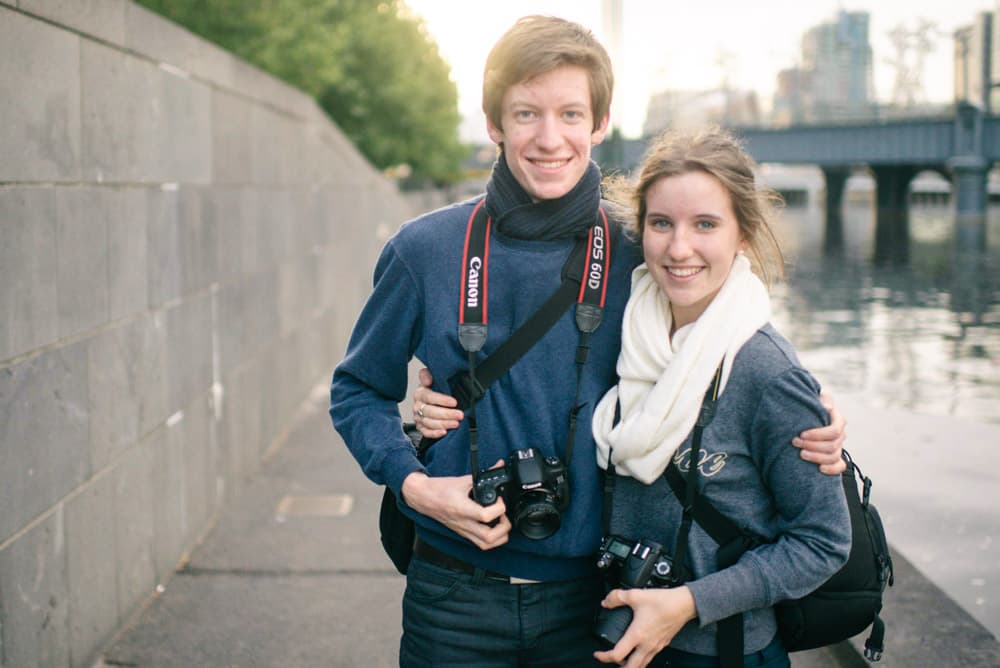
The course is the same route with Daniel beside you. At each stop he gives direct feedback on exposure, composition, and timing on your own camera as you shoot.
- ▸A local photographer who knows where to stand, when the light hits, and which angles work at each location
- ▸Feedback on your images as you shoot
- ▸Learn to read light and composition before pressing the shutter
- ▸Practice manual mode in constantly changing conditions, from shade to full sun, wide streets to narrow laneways
The DJB Photography Walk Experience
The DSLR & Mirrorless Express course is a 3-hour photography walk through Melbourne CBD. Participants learn full manual mode while exploring the laneways, street art, and landmarks listed above. The course covers aperture, shutter speed, ISO, white balance, and composition in a hands-on environment where every concept is immediately applied.
The course is taught by Daniel Bilsborough, a National Geographic-featured photographer who has been running photography courses in Melbourne since 2011. It holds a 4.9/5 rating across 447+ reviews.
Classes take two students at most, and the course is $499 per person. It covers full manual mode across all the locations above, from the street art laneways through to the river and city skyline spots.