Beginner's Guide
Photography Tips for Beginners
10 things that actually make a difference. No gear lists, no jargon dumps, no filler. Just the stuff that separates good photos from forgettable ones.
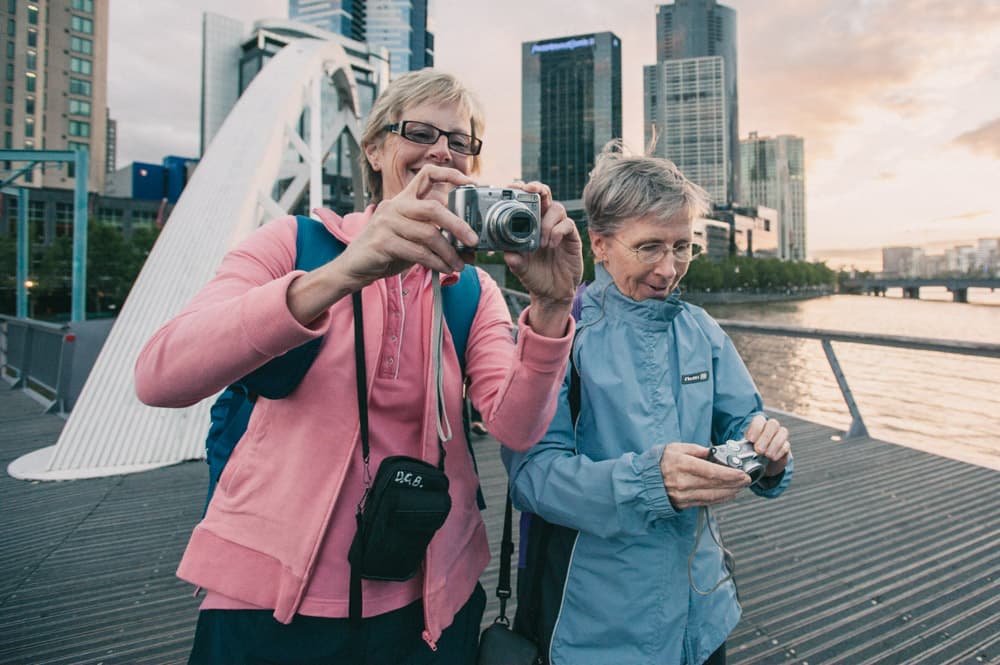
These are the 10 photography tips that make the biggest difference for beginners, written by Daniel Bilsborough, a National Geographic-featured photographer who has taught over 1,500 students at DJB Photography School in Melbourne. No fluff, no gear obsession, just the fundamentals that separate good photos from forgettable ones.
Learn Manual Mode (One Setting at a Time)
Auto mode is a crutch. Manual mode is three settings: shutter speed, aperture, ISO. But don't learn all three at once. Start with shutter speed only, lock the other two, and practice for an hour. Then add aperture. Then ISO. By the time you're juggling all three, each one already feels natural.
Full manual mode guide→Get the Light Behind You
The single fastest improvement any beginner can make: put the light source behind you, facing your subject. Front-lit subjects are evenly exposed and sharp. Backlit subjects are silhouettes (which can be great, but you need to do it intentionally). Most bad beginner photos are just bad lighting.
Fill the Frame
The number one composition mistake is standing too far away. Get closer. Then get closer again. Your subject should fill the frame. No dead space around the edges, no ambiguity about what the photo is of. If you can't physically get closer, crop in post.
Use the Rule of Thirds (Then Break It)
Turn on the grid overlay in your camera. Place your subject on the intersections, not dead centre. It creates tension and makes the image more dynamic. Once you understand why it works, you'll know when to break it. But learn the rule first.
Shoot at Golden Hour
The hour after sunrise and the hour before sunset produce the best natural light. It's warm, directional, and forgiving. Midday sun is harsh, creates ugly shadows under eyes and noses, and blows out highlights. If you can only shoot once a day, shoot at golden hour.
Keep Your Shutter Speed Above 1/Focal Length
Blurry photos from handshake are the most common beginner problem. The rule: your shutter speed should be at least 1 over your focal length. Shooting at 50mm? Keep your shutter speed at 1/50s or faster. Shooting at 200mm? 1/200s minimum. Below that, you need a tripod or very steady hands.
Shoot RAW, Not JPEG
JPEG throws away data to make smaller files. RAW keeps everything. This means you can recover blown highlights, fix white balance, and push shadows in editing without destroying image quality. Every serious photographer shoots RAW. Set it in your camera menu and forget about it.
Look at the Background
Before you press the shutter, look at what's behind your subject. Poles growing out of heads, cluttered walls, bright distractions. Move your feet, change the angle, or open up the aperture to blur it out. A clean background makes or breaks a photo.
Take More Photos Than You Think You Need
Professional photographers take hundreds of shots and publish a handful. That's not because they're bad at it. It's because getting one great photo out of fifty good ones is normal. Shoot more. Delete later. Storage is cheap, moments aren't.
Learn to Edit (It's Half the Job)
Taking the photo is step one. Editing is step two. Adjusting exposure, contrast, colour, and cropping in software like Lightroom is how you turn a good shot into a great one. Every professional photo you've ever seen has been edited.
Learn Lightroom from scratch→Learn Faster with a Real Teacher
Tips get you started. Practice gets you further. But having someone correct your technique in real time while you shoot is how you learn in hours what takes months alone.
Daniel Bilsborough's photography course in Melbourne covers all of this and more in a hands-on 3-hour session, capped at two students. Over 1,500 students taught since 2011.