Camera Settings Guide
Night Photography Settings
Exact camera settings for every low-light scenario. City streets, light trails, stars, and everything in between.
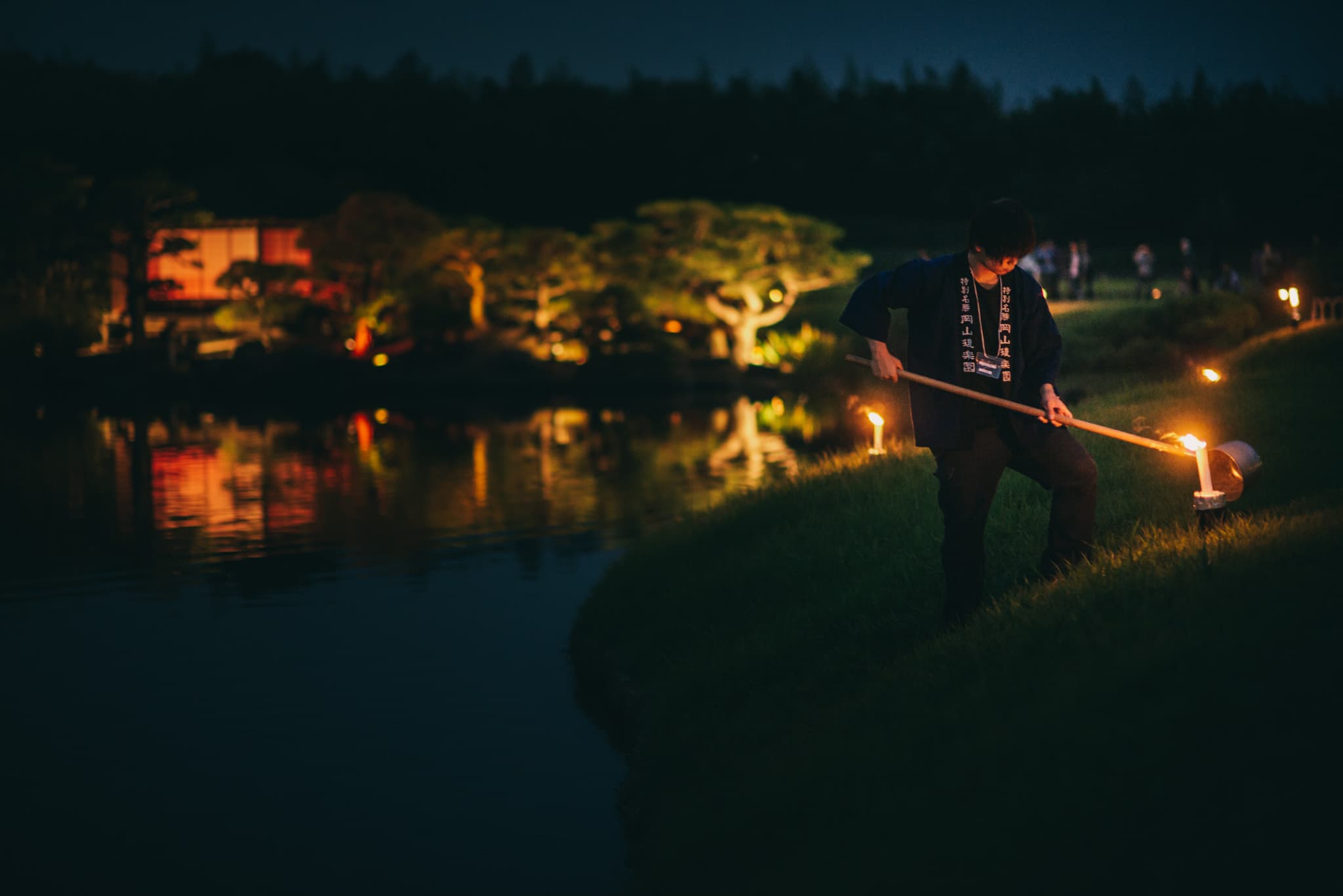
Night photography requires specific camera settings that differ significantly from daytime shooting. This guide covers exact settings for five common night scenarios, from handheld city streets to long exposure light trails and star photography. Written by Daniel Bilsborough, a National Geographic-featured photographer and photography educator in Melbourne.
Why Night Photography Feels Hard
Photography is light control. At night, there's less light. That's the entire challenge.
Your camera has three ways to deal with low light: open the aperture wider (let more light through the lens), slow down the shutter speed (let light hit the sensor longer), or raise the ISO (make the sensor more sensitive). Night photography is about pushing these three settings to their limits while managing the trade-offs.
If you're not confident with manual mode yet, start with our manual mode guide. Night shooting is where manual skills pay off most.
City Streets (Handheld)
ISO 3200-6400 / f/1.8-2.8 / 1/60s-1/125s
You need a fast lens (f/1.8 or f/2.8) to gather enough light. Crank ISO high and keep shutter speed above 1/60s to avoid hand-shake blur. Modern cameras handle ISO 3200-6400 well. The grain is part of the look.
Light Trails (Tripod)
ISO 100 / f/8-11 / 10-30 seconds
Low ISO keeps the image clean. Small aperture (f/8-11) gives you sharpness across the frame. Long shutter speed turns moving cars into streaks of light. You need a tripod and a remote trigger (or a 2-second timer) so the camera stays perfectly still.
Neon Signs and Shopfronts
ISO 800-1600 / f/2.8-4 / 1/60s-1/125s
Neon and artificial light is brighter than you think. You don't need to go as high on ISO as general street shooting. Expose for the sign or the light source, and let the surrounding darkness frame it.
Stars and Milky Way
ISO 3200-6400 / f/1.8-2.8 / 15-25 seconds
Wide angle lens, wide open aperture, high ISO. The 500 rule prevents star trails: divide 500 by your focal length to get maximum shutter speed (e.g. 500/24mm = 20 seconds). Requires a tripod and zero light pollution.
Fireworks
ISO 100-200 / f/8-11 / 2-8 seconds (Bulb mode)
Fireworks are their own light source, so you don't need high ISO. Small aperture keeps the bursts sharp across the frame. Use Bulb mode: open the shutter when the firework launches, close it after it explodes. Tripod mandatory.
What You Need for Night Photography
- ■A fast lens (f/1.8 or f/2.8). The wider the maximum aperture, the more light you can gather. A 50mm f/1.8 is cheap and excellent for handheld night shooting.
- ■A tripod (for long exposures). Any exposure longer than about 1/30s will blur from hand movement. Doesn't need to be expensive, just stable.
- ■A remote trigger or timer. Even pressing the shutter button shakes the camera on a tripod. Use a remote, or set a 2-second delay timer in your camera settings.
- ■Shoot RAW. Night photos need aggressive editing. RAW files give you far more room to recover shadows and manage noise than JPEG.
Learn Low-Light Photography in Person
Night photography is where manual mode skills get tested the most. Daniel Bilsborough's photography course in Melbourne teaches you to control all three exposure settings confidently, so you can tackle any lighting condition.
Melbourne's laneways and Southbank are some of the best spots for night photography. See our photography walks in Melbourne guide for locations. And if you're still choosing a camera, check out our best camera for beginners guide for models that handle low light well.