Portrait Guide
Portrait Photography Tips
How to take portraits that look intentional, not accidental. Settings, lighting, posing, and the stuff nobody tells beginners.
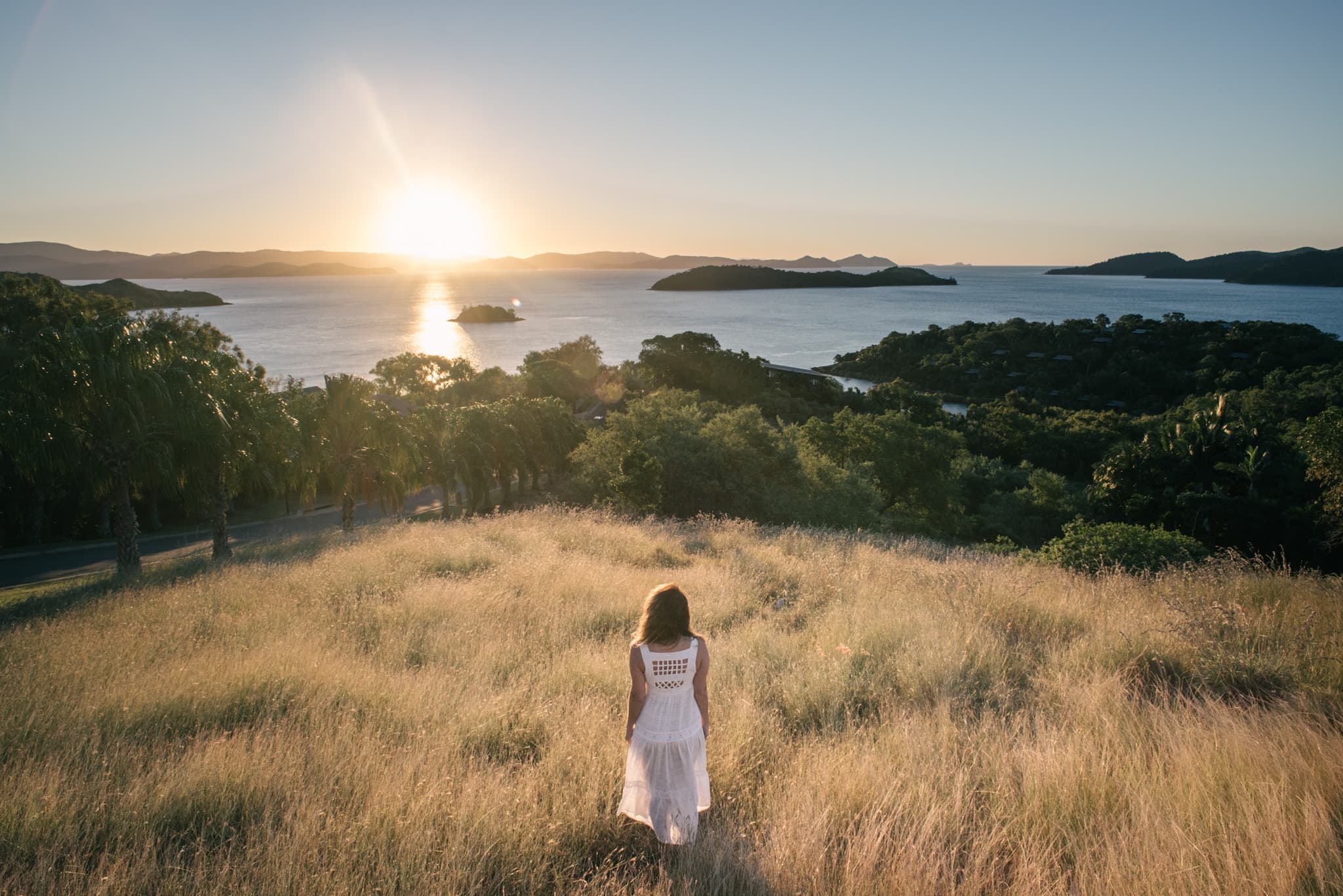
Portrait photography is about light, lens choice, and the connection between you and your subject. These 10 tips cover the fundamentals that make portraits look professional, written by Daniel Bilsborough, a National Geographic-featured photographer and founder of DJB Photography School in Melbourne.
Aperture Is Everything
Shoot wide open. f/1.8, f/2.8, as low as your lens goes. This blurs the background (bokeh) and separates your subject from the environment. It's the single biggest difference between a snapshot and a portrait. If you're using a kit lens, zoom all the way to 55mm and use the lowest f-number available.
Focus on the Eyes
If the eyes are sharp, the portrait works. If the eyes are soft, nothing else matters. Use single-point autofocus and put it directly on the nearest eye. If your camera has eye-detect AF, turn it on and let it do the work.
Use Window Light Indoors
Stand your subject next to a large window with indirect light (not direct sun). Face them towards the window at about a 45-degree angle. This creates soft, directional light with gentle shadows that sculpt the face. It's the most flattering light source you'll find without buying any gear.
Shoot in Open Shade Outdoors
Direct sunlight causes squinting, harsh shadows, and blown highlights. Move into shade: under a tree, on the shaded side of a building, under an awning. The light is even, diffused, and your subject can open their eyes properly. Golden hour (the hour before sunset) is the exception: direct light at that angle is gorgeous.
Golden hour photography guide→Get the Camera at Eye Level (or Slightly Above)
Shooting from below gives unflattering under-chin angles. Shooting from too high makes people look small. Eye level or slightly above is where portraits look most natural. For children, get down to their height.
Give Your Subject Space to Look Into
If your subject is looking to the right, put them on the left side of the frame. Give their gaze somewhere to go. When you centre a subject who's looking off-frame, the composition feels cramped and unbalanced.
Talk to Your Subject
Stiff portraits come from stiff subjects. Talk to them. Tell them a joke. Ask them questions. The best expressions happen between poses, when someone laughs or reacts naturally. Keep shooting during conversation, not just when you say 'ready'.
Clean Up the Background
Before you press the shutter, look behind your subject. Bins, poles, bright signs, other people. Either move your subject, change your angle, or open up the aperture to blur it into oblivion. A clean background makes the subject pop.
Use a Longer Focal Length
Wide angle lenses (24-35mm) distort facial features: big noses, stretched ears. A 50mm lens on APS-C or 85mm on full frame is the portrait sweet spot. The slight compression flatters facial proportions and creates natural-looking background blur.
Edit the Skin, Don't Destroy It
In editing, reduce blemishes but keep skin texture. Smooth skin looks plastic and fake. Real skin has pores, freckles, fine lines. The goal is to make someone look like themselves on a good day, not like a different person.
Portrait Settings Cheat Sheet
Learn Portrait Photography Hands-On
Reading tips helps. Practising with real feedback makes you better, faster. Daniel Bilsborough's photography course in Melbourne covers aperture, lighting, and composition in a 3-hour hands-on session. Bring your camera and learn by doing.