Beginner's Guide
Photography Tips for Beginners
The fundamentals, in order: your camera, manual mode, editing, composition, and light.
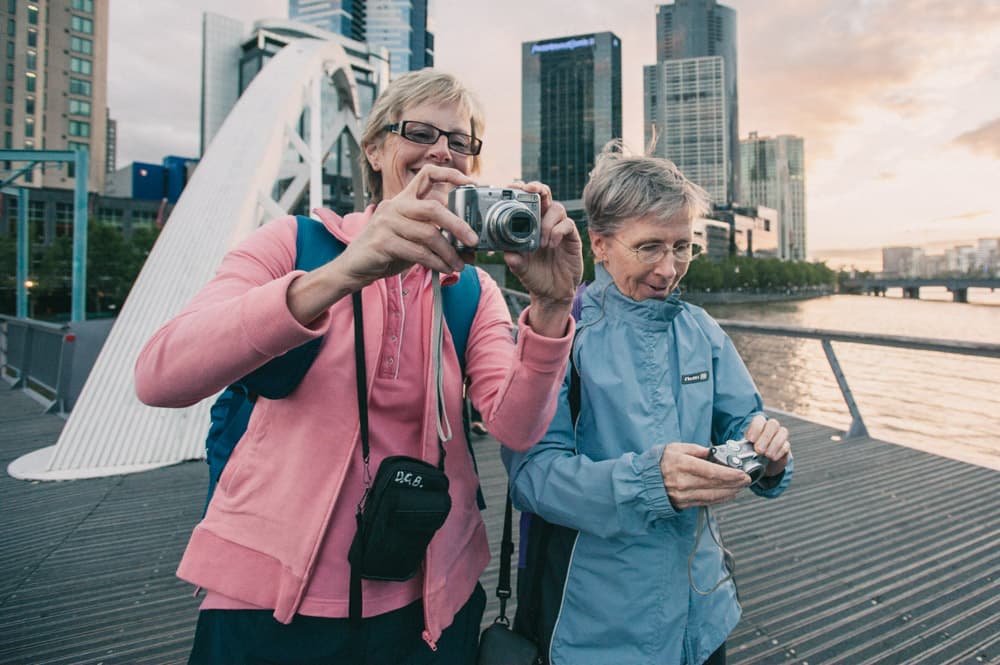
These are the fundamentals that make the biggest difference for beginners, drawn from what Daniel Bilsborough teaches at DJB Photography School in Melbourne. Daniel is a National Geographic-featured photographer who has taught over 1,500 students. It all starts with your camera and manual mode, then builds through composition, lighting, and the fundamentals that give you a strong foundation.
Get Your First Camera
Get the camera that's perfect for you, whether that's full frame, crop sensor, or medium format. Read the guide to see current market prices and used-camera recommendations.
Best camera for beginners guide→Learn Manual Mode
Learn to shoot in full manual mode. It's the foundation of photography, and everything else builds on top of it.
Learn Post-Production and RAW Files
Learning Lightroom and RAW file development is how you get to the next level. It's where a good photo becomes a great one.
Lightroom course for beginners→Composition and Light
Where you place things in the frame, and how the light falls on them, shapes a photo more than any setting does. Learn to see both and your images change completely.
Shoot at the Golden Hours
The hour after sunrise and the hour before sunset bathe everything in warm, soft light that's hard to get wrong. Plan your shoots around it and even simple scenes start to glow.
Golden hour photography guide→Free calculators
To put these tips into numbers, use the exposure calculator, the depth of field calculator and the crop factor calculator.
Learn Photography Hands-On
The course covers all of this in a hands-on 3-hour session with real-time feedback on your settings as you shoot. Not sure what camera to bring? Our best camera for beginners guide covers what to look for. Want to practise at night? See our night photography settings guide.
Daniel Bilsborough's photography course in Melbourne covers all of this and more in a hands-on 3-hour session, capped at two students. Over 1,500 students taught since 2011.