Brand New Canon R8. Zero Manual Experience. 3 Hours Later.
Joseph bought a Canon R8 with a 24-105mm f/4 lens and had never touched manual mode. This is what happened in 3 hours on the streets of Melbourne.
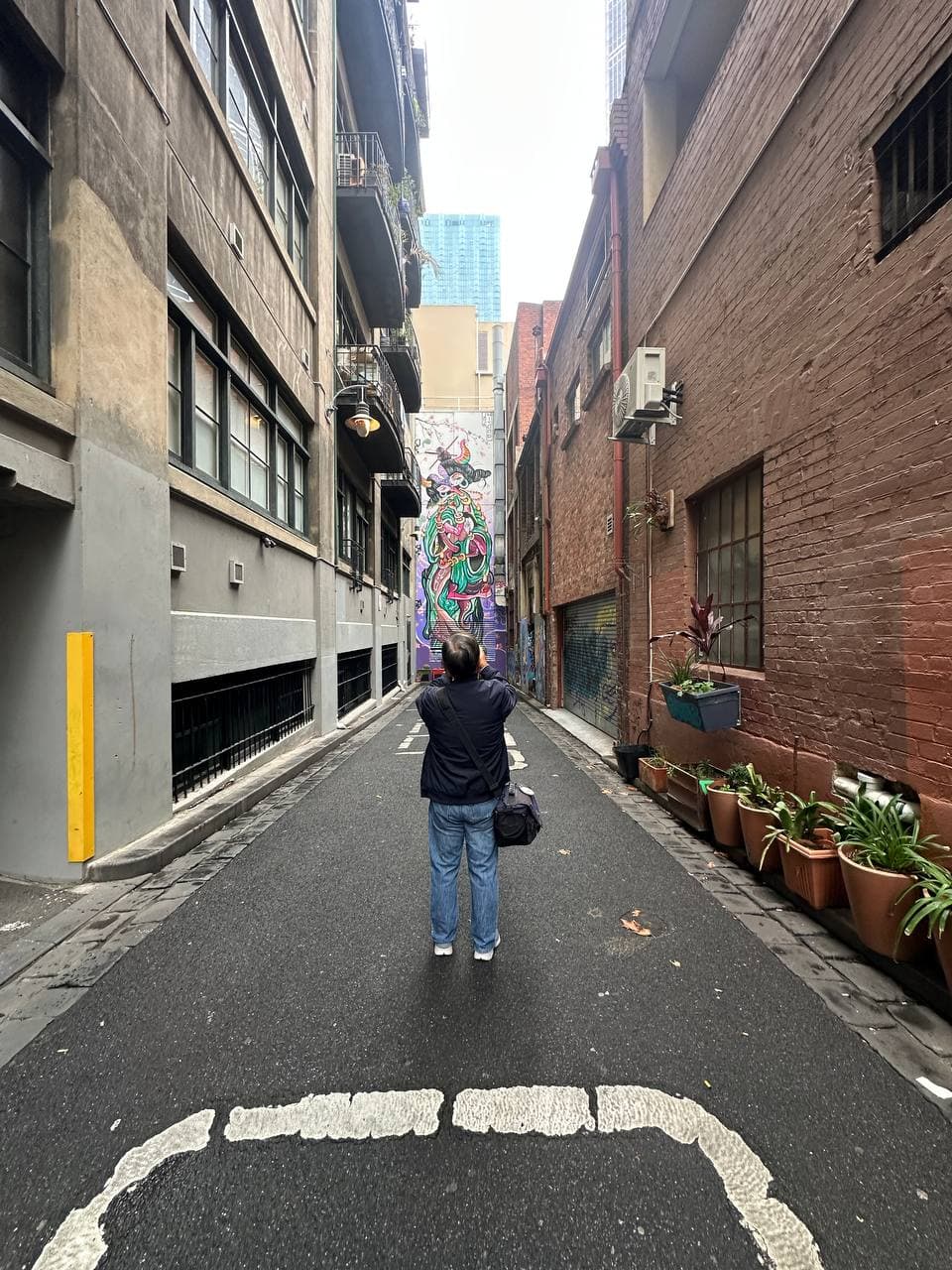
The Setup: Canon R8 + 24-105mm f/4, Zero Experience
Joseph walked in this morning with a Canon R8 and a Canon 24-105mm f/4 lens. The camera was basically brand new. He'd been shooting on auto since he got it and knew there was more to it, but every time he switched to manual, nothing made sense. Which is fair enough. Manual mode looks like a wall of numbers until someone explains which ones matter and which ones you can ignore.
It's a common pattern at DJB Photography School. Someone buys a camera that's genuinely capable, uses it on auto for months, and eventually gets frustrated that their photos look the same as their phone. Joseph had the right gear. He just needed the manual mode fundamentals to click.
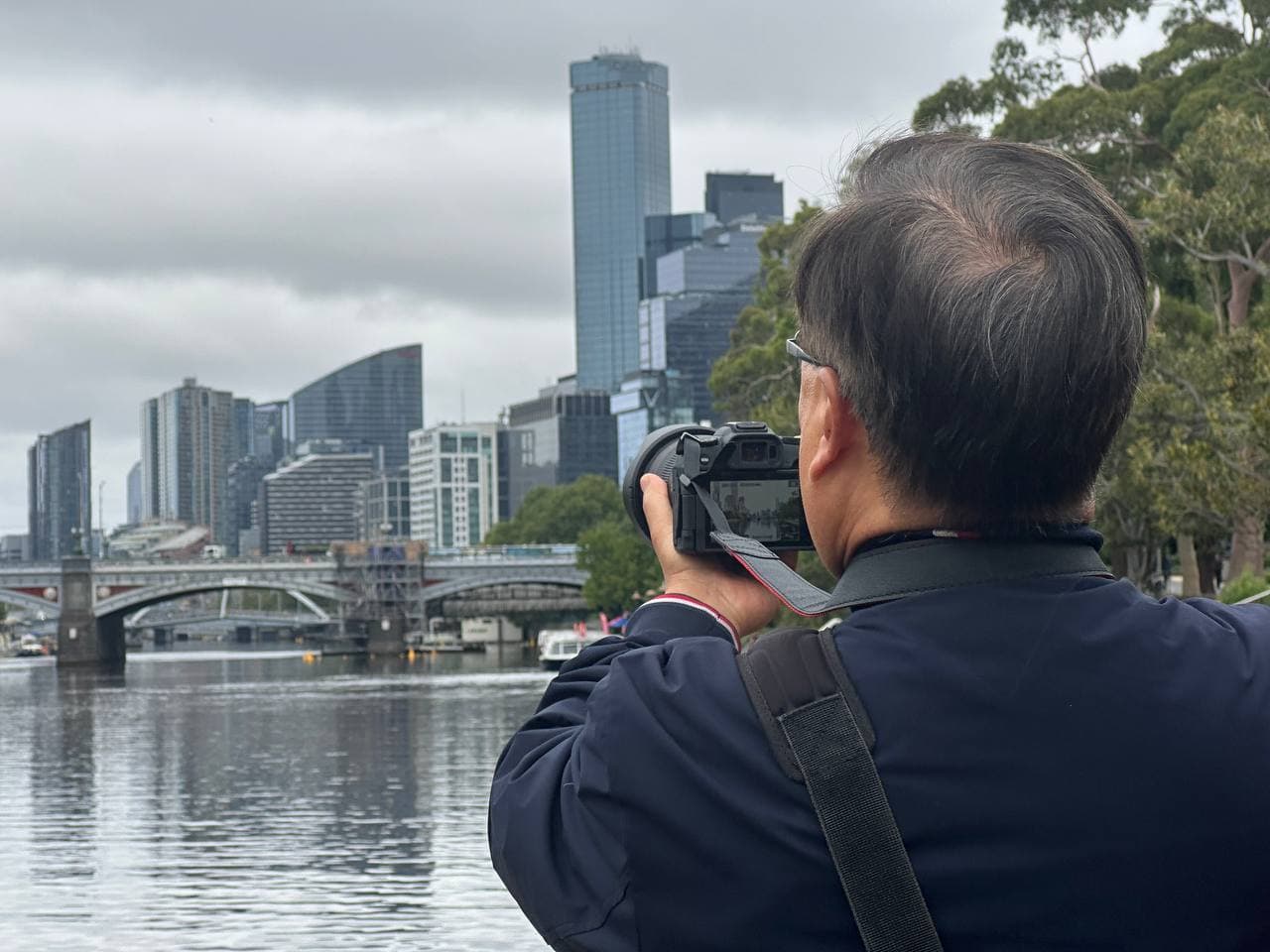
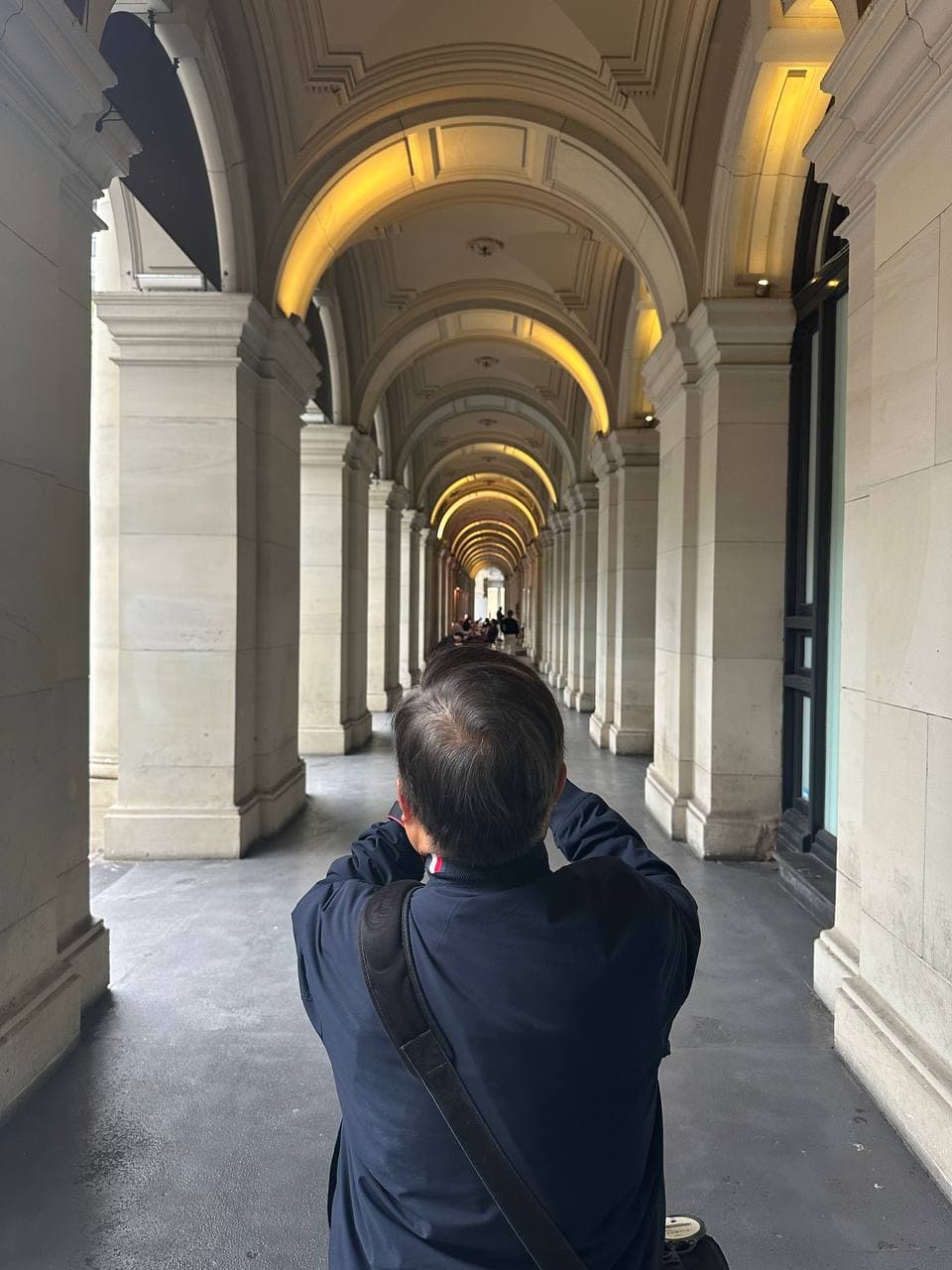
What We Covered: Shutter Speed, Aperture, and ISO
We started on the Yarra River where the light is open and even. No tricky shadows, no dark laneways yet. Joseph locked his aperture at f/8 and his ISO at 400 and only touched the shutter speed dial. That's it. Nothing else. He spent about 45 minutes just changing one setting. Fast shutter to freeze the rowers going past. Slow shutter to blur the joggers into streaks. Same spot, same light, completely different photos.
Once shutter speed made sense, I unlocked aperture. The Canon 24-105mm f/4 is good for this because f/4 is wide enough to actually see background blur without the exposure jumping around. We shot the same subject at f/4 and f/16 and compared them on his LCD. That's usually the moment people get it. You can literally see the background go from soft to sharp and back again just by turning one dial.
ISO came last. By then Joseph already had two of the three settings under control, so adding the third wasn't a big deal. We pushed it up as we moved into the laneways where the light drops off fast. He could see the grain creeping in on the R8's screen, but the R8 handles noise well. Even at 3200 the images were usable, which surprised him.
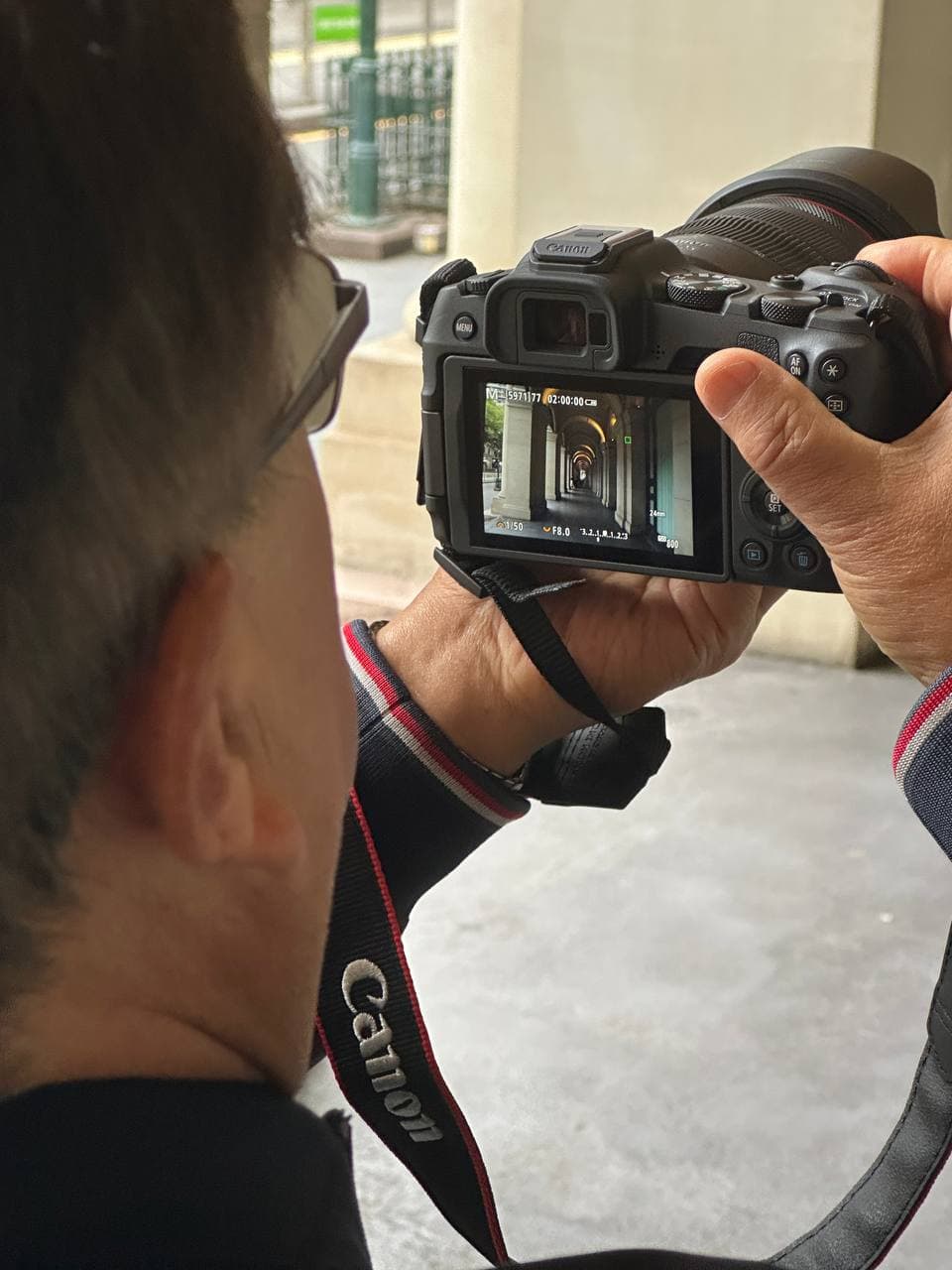
1/60s, f/8, ISO 800. Full manual. Hosier Lane, Melbourne CBD.
The Result: Full Manual Mode in 3 Hours
The last hour was where it clicked. We were in Hosier Lane and the light kept changing as clouds rolled through. Joseph was adjusting all three settings on his own. Cloud comes over, he bumps the ISO up. Sun comes back, he drops it. At one point he changed shutter speed and aperture together to keep the exposure balanced and didn't even think about it. That's manual mode becoming second nature.
The R8 helps with this because the electronic viewfinder shows you what the photo will look like before you take it. You turn a dial, the image gets brighter or darker in real time. There's no guessing. For a beginner camera, that real-time feedback makes a massive difference. Joseph went from confused to confident in a single session.
Joseph shooting a mural in one of Melbourne's CBD laneways. Full manual mode, Canon R8 + 24-105mm f/4.
The Canon R8 for Beginners
The R8 is a solid camera for learning manual mode. Full-frame sensor, so you get that real-time exposure preview in the viewfinder that makes manual mode so much easier to understand. And it uses Canon's RF mount, so if Joseph wants to pick up a faster lens down the track, the options are there.
The 24-105mm f/4 he brought is a strong starting lens. It covers everything you need on a 3-hour walk through Melbourne, and the constant f/4 aperture means one less variable to think about while you're learning. If you're still deciding on gear, have a look at our camera guide for beginners.
Canon R8 Photography Course: Quick Answers
Can you learn manual mode in 3 hours?
Joseph did. He walked in shooting auto and left shooting full manual. The trick is not trying to learn everything at once. Shutter speed first, on its own, until it feels obvious. Then aperture. Then ISO. Most students are comfortable with all three before the session is over.
Is the Canon R8 good for learning photography?
Yes. The electronic viewfinder shows you what the photo will look like before you take it, which makes learning manual mode significantly easier. High ISO is clean up to 3200+, and Canon's eye-tracking autofocus means you can focus on learning exposure without worrying about nailing focus manually too.
How much is the photography course?
$499. Three hours in Melbourne CBD with Daniel Bilsborough. Max 2 students so you actually get proper attention. Bring any camera that has a manual mode.
What Joseph Learned
- Shutter speed controls motion: fast shutter freezes, slow shutter blurs
- Aperture controls background blur: f/4 soft, f/16 sharp
- ISO is the brightness dial, but grain is the trade-off
- The R8's viewfinder shows the exposure live, so you can see changes before you shoot
- Learn one setting at a time, not all three at once
Three hours ago Joseph was shooting on auto. Now he's adjusting three settings at once without thinking about it. That's the whole point of the course. Not theory, not a classroom lecture. Just you, your camera, and the streets of Melbourne until manual mode feels normal. If you've got a camera collecting dust on auto, this is how you fix that. See how Janet did the same thing with a Canon R100 and the kit lens.
Your Turn
The DSLR & Mirrorless Express Photography Course runs every Saturday in Melbourne CBD. Max 2 students. $499. Check our photography tips for beginners if you want a head start before you come.